Bad insights don’t just waste time.
They multiply operational steps, delay release, and quietly inflate your cold chain costs.

At 2:17 AM, an alert fires. Temperature deviation.
Your monitoring service flags it.
They escalate it.
They send you an email.
“Please review.”
Now your team:
Eight hours later? No product impact.
Multiply that by 30–50 alerts per week.
This isn’t risk management. It’s investigation waste.
And it's where most visibility, digitization or transformation programs fail.
Most cold chain organizations are paying for:
The promise: “We’ll catch issues before they happen.”
The reality: Threshold exceeded → escalate → “please advise.”
The truth is monitoring services don’t make decisions. They forward alerts.
You still carry the operational burden.
False alarms create 3 layers of operational drag:
And every false alert adds:
Vendor escalation
→ Internal triage
→ Documentation
→ Operational friction
You are increasing operational steps & not reducing risk.
If you need an army of people staring at temperature graphs… Is your system intelligent? Or just reactive?
Cold chain doesn’t have a visibility problem. It has a prioritization problem.
Most platforms trigger alerts on threshold logic alone.
They don’t understand:
So they escalate everything. Because they have to.
Instead of:
“Temperature exceeded 8°C. Please review.”
You get:
“Temperature exceeded 8°C for 18 minutes.
Based on stability data, lane performance, and SOP 4.2, no product impact.
Auto-documented. No escalation required.”
No hypercare.
No deviation.
No release delay.
No unnecessary vendor loop.
That’s not more monitoring. That’s decision intelligence.
Most Quality & Ops teams:
What does that cost annually inside your network?
We built a simple model to help you find out.
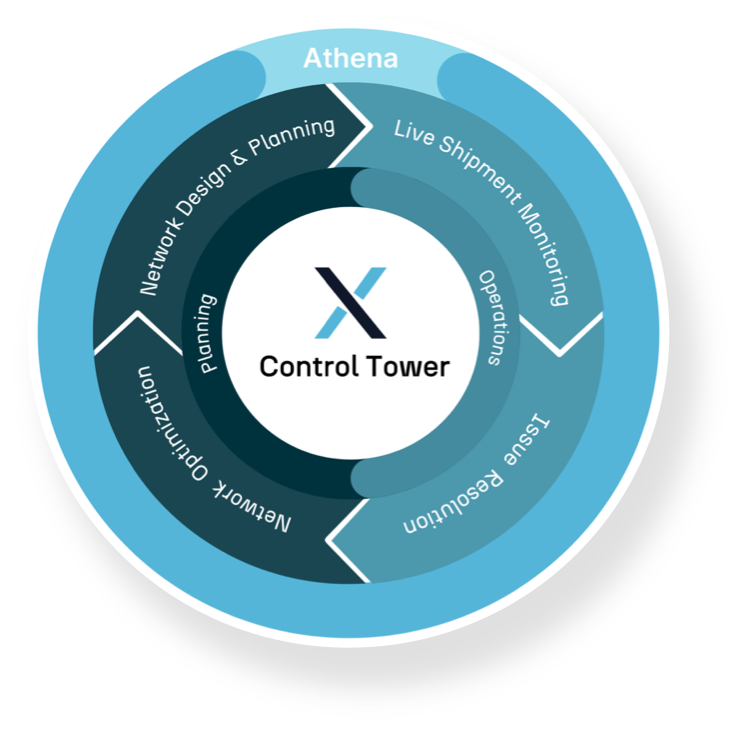
Cold chain decision intelligence is the ability to automatically evaluate shipment data against SOPs, lane qualifications, and historical outcomes to support fast, defensible decisions.
Cold chain AI analyzes data. Decision intelligence applies that analysis to real operational decisions using defined rules and context.
Yes. By eliminating manual data reconciliation and false alarm investigations, teams can reduce release timelines without compromising compliance.
.png?width=2000&height=500&name=Microsoft%20Azure%20Banner%20(1).png "Cold Chain AI on Microsoft Azure")