Most cold chain teams assume release delays are unavoidable.
This diagnostic shows exactly where time is being lost and why.

This Is Not a Tool Demo
This diagnostic is a structured walkthrough of your current product release process — designed to surface:
Where manual work is hiding
Which alarms actually create risk
Where Quality time is being consumed unnecessarily
Which steps are policy-driven vs habit-driven
Most teams discover their release delays are caused by one or two structural issues, not dozens of small ones.
What we look at together
1. Data Consolidation
How many systems are touched during release?
Is there a single, trusted shipment record?
Where does manual reconciliation still happen?
2. Alarm Quality
What percentage of alerts lead to real risk?
How many investigations close with “no impact”?
Are alarms evaluated with context — or thresholds only?
3. SOP Application
Are SOPs operationalized or referenced manually?
Do different teams interpret them differently?
Are decisions consistent across sites and lanes?
4. Lane Intelligence
Do real shipment outcomes update lane assumptions?
Or are lane qualifications static?
How often do “expected” risks not materialize?
5. Release Timeline Reality
Where do days actually accumulate?
Is delay caused by review, investigation, or handoffs?
What work could safely disappear?
What you walk away with
Within days, you’ll have:
✔ A clear map of your release workflow
✔ Identified bottlenecks by category (data, alarms, SOPs)
✔ A quantified view of false-alarm drag
✔ A shortlist of changes that actually reduce release time
No recommendations to “hire more people.”
No pressure to buy software.
Just clarity.
This Diagnostic Is Best For Teams Who…
✔ Manage temperature-sensitive shipments
✔ Experience multi-day release delays
✔ Investigate many alarms with little outcome
✔ Want faster release without compromising compliance
If your release is already automated, contextual, and fast, you’ll know within minutes.
How the Diagnostic Works
30–45 min working session
Walk through your real release flow
Identify friction points together
Summarize findings and next steps
No prep required.
No system screenshots needed.
No obligation after.
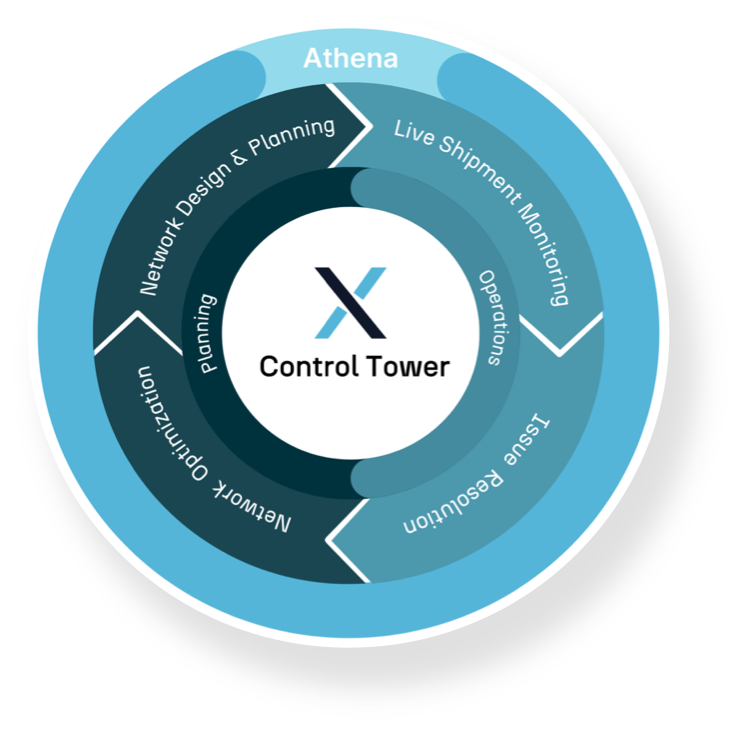
Cold chain decision intelligence is the ability to automatically evaluate shipment data against SOPs, lane qualifications, and historical outcomes to support fast, defensible decisions.
Cold chain AI analyzes data. Decision intelligence applies that analysis to real operational decisions using defined rules and context.
Yes. By eliminating manual data reconciliation and false alarm investigations, teams can reduce release timelines without compromising compliance.
.png?width=2000&height=500&name=Microsoft%20Azure%20Banner%20(1).png "Cold Chain AI on Microsoft Azure")