Data-agnostic orchestration is the missing layer for release, monitoring, AI, and prediction.

Everyone added visibility. Dashboards. Sensors. Alerts. Control towers.
And yet:
Product release still takes days
QA still reconstructs shipments manually
Ops still reacts instead of predicts
AI still produces noise, not decisions
Because visibility shows you what happened. It doesn’t tell you what to do.
For the last decade, cold chain innovation has focused on seeing more:
More sensors
More portals
More alerts
More dashboards
But most organizations now face the same outcome:
Shipment data fragmented across IoT tools, TMSs, LSP portals, emails, and PDFs
No single trusted shipment record
No consistent decision logic across Quality, Ops, and Logistics
Visibility multiplied data, making decisions harder.
Cold chain decisions fail for one simple reason:
They’re made across disconnected systems that don’t share context.
Quality reviews temperature in isolation.
Logistics tracks movement separately.
SOPs live offline.
Lane assumptions are static.
AI models train on partial data.
When something goes wrong, teams ask: “Which system is right?”
Instead of: “What decision should we make?”
Cold chains don’t fail because of a missing sensor.
They fail because:
No system understands all shipment data together
Decisions are hard-coded to one vendor, one feed, or one format
AI is trained on what’s available, not what’s true
A data-agnostic foundation means:
Any IoT device
Any carrier or LSP
Any TMS
Any format
Unified into a single decision layer.
A data-agnostic orchestration layer doesn’t replace visibility tools. It:
Normalizes shipment data across sources
Reconstructs chain-of-custody automatically
Applies SOPs and contracts in real time
Suppresses false alarms
Drives consistent decisions across teams
Same data. Different outcome.
When decisions become the focus:
Release decisions compress from days to hours
QA reviews become exception-based, not manual
Ops intervenes earlier with confidence
AI produces predictions, not noise
Visibility was necessary. Decision intelligence is what makes it useful.
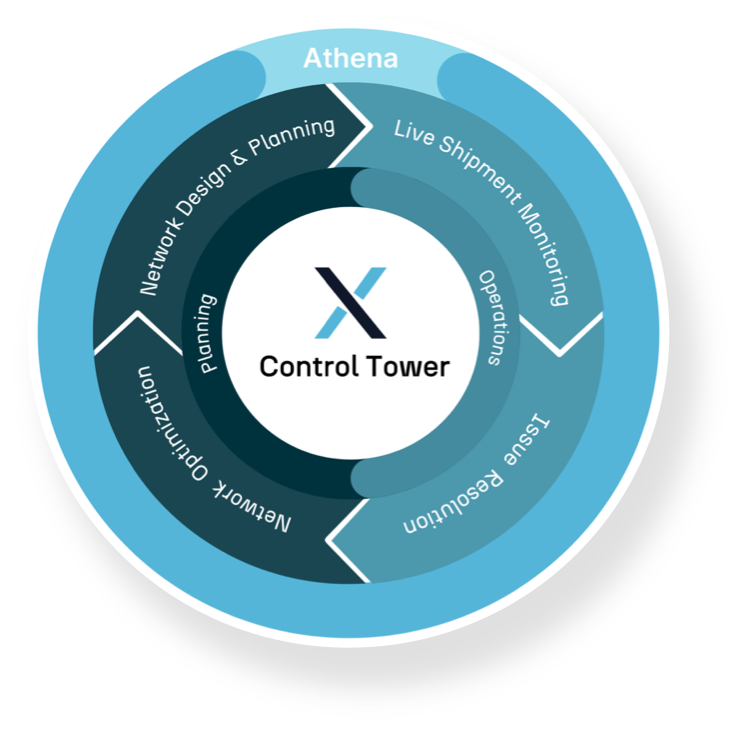
Cold chain decision intelligence is the ability to automatically evaluate shipment data against SOPs, lane qualifications, and historical outcomes to support fast, defensible decisions.
Cold chain AI analyzes data. Decision intelligence applies that analysis to real operational decisions using defined rules and context.
Yes. By eliminating manual data reconciliation and false alarm investigations, teams can reduce release timelines without compromising compliance.
.png?width=2000&height=500&name=Microsoft%20Azure%20Banner%20(1).png "Cold Chain AI on Microsoft Azure")